
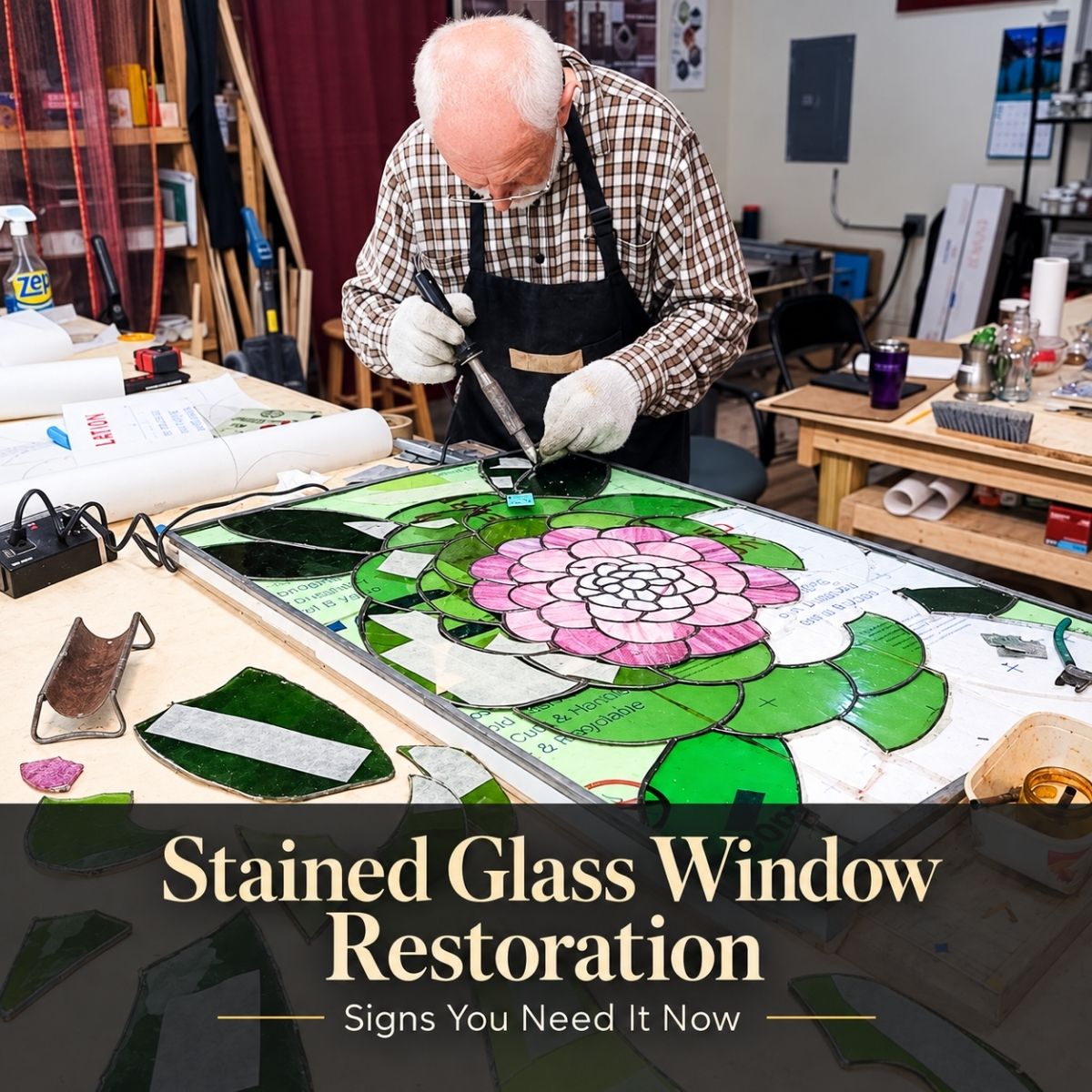
Noticed your antique stained glass window looking a little more bowed than it used to, or feeling a draft that wasn’t there last winter? Those are early signals that stained glass window restoration shouldn’t wait until spring. Original stained glass — whether in a century-old home, a storefront, or a historic church — is genuinely irreplaceable craftsmanship, and small problems left unaddressed tend to get worse fast once cold weather sets in. In this guide, you’ll learn the warning signs that mean it’s time to call a professional, what typically causes this kind of damage, and why fall is the ideal time to get ahead of it.

Stained glass panels are held together by lead or zinc came, a soft metal that naturally weakens over decades of temperature swings, moisture, and simple age. Once that structural metal starts to fail, the glass panel can bow, sag, or develop gaps that let in drafts and moisture — problems that get significantly worse once winter’s freeze-thaw cycles set in. The most common mistake we see is homeowners and property managers waiting until a panel is visibly failing or a piece has actually fallen out before calling for help, at which point what could have been a straightforward repair often becomes a full restoration.

This isn’t only a homeowner concern. Historic buildings across the Chicago area carry some of the city’s most irreplaceable stained glass work. At St. Hyacinth Basilica in Avondale, Baltic Art Studio completed a nave window restoration project, helping preserve original glasswork and craftsmanship that has served the community for more than a century. Storefronts and taverns with decorative glass, like the kind of building you’d find housing a neighborhood spot such as Community Tavern in Portage Park, face the same structural aging process, just on a smaller scale. Homes, churches, and businesses throughout Jefferson Park, Portage Park, Avondale, and the wider Chicago area all share the same underlying risk: original glasswork that ages quietly until it doesn’t.
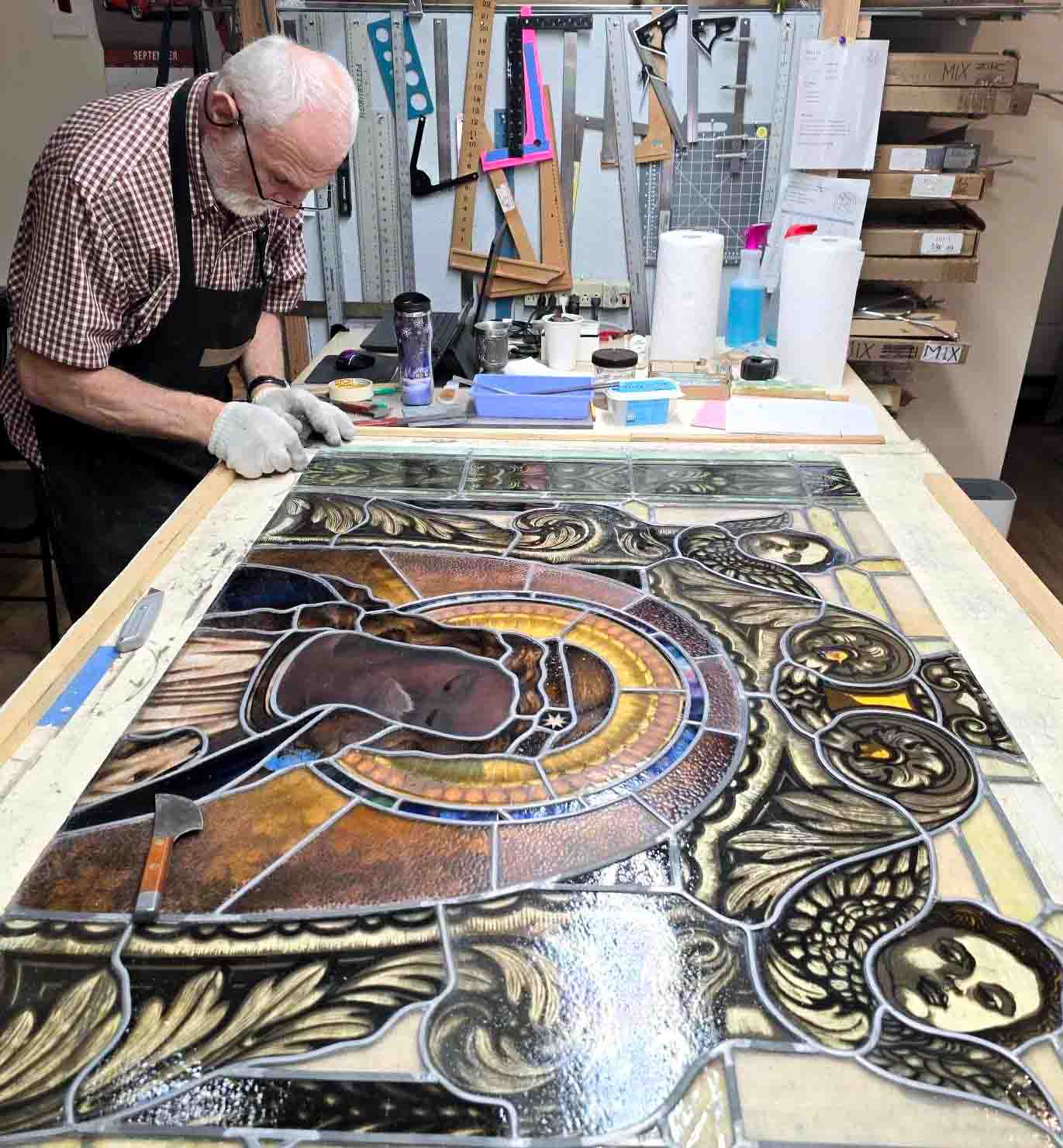
Here’s what to look for on an older stained glass window:
Most damage traces back to a small number of root causes: decades of temperature expansion and contraction weakening the metal came, moisture infiltration around window frames that were never properly sealed, age-related metal fatigue in panels original to the building, and in some cases, storm damage or settling in older structures that puts uneven pressure on the panel. None of these happen overnight — they build slowly, which is exactly why early signs are so easy to miss until the problem is significant.

Stained glass restoration is not a DIY project, even for someone reasonably handy. Releading a panel, matching antique glass colors and textures, and preserving the original design intent all require specialized training most homeowners simply don’t have, and a poorly attempted repair can cause more damage than the original problem. If you notice any of the warning signs above, the right move is a professional assessment before attempting anything yourself, especially on original or antique glasswork that can’t be easily replaced if it’s damaged further.

A few habits extend the life of stained glass significantly:
Our best practice recommendation, especially for historic and religious properties, is to schedule a restoration assessment in early fall, well before winter weather puts additional stress on already-weakened panels. This gives enough lead time for sourcing matching glass, planning the restoration approach, and completing the work before the coldest months, when drafts and moisture problems become both more noticeable and more damaging. For homeowners with a single panel showing early signs, addressing it now is almost always less costly than waiting until a full section needs replacement.
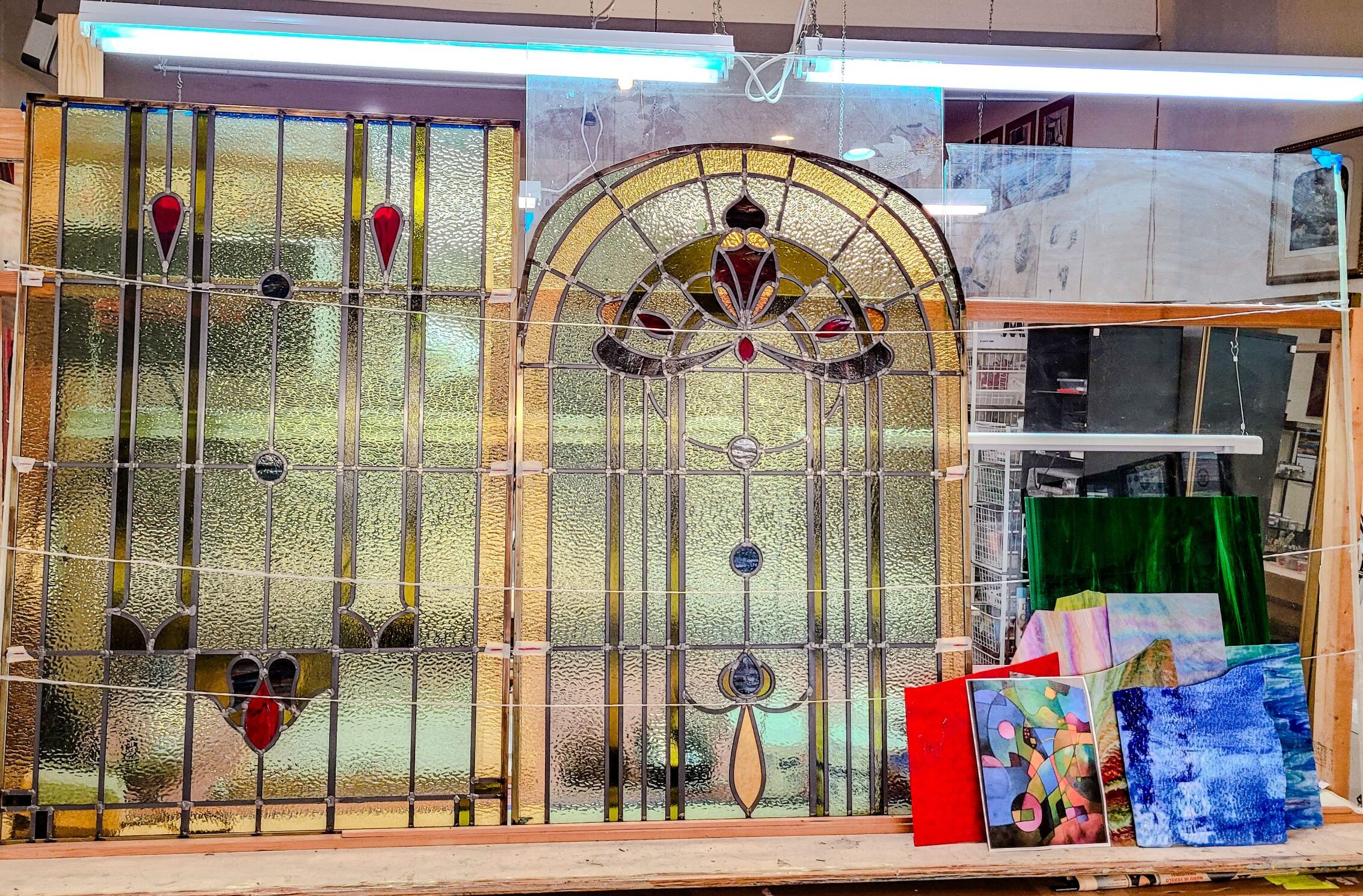
Cost-saving tip: catching bowing or minor came deterioration early is significantly less expensive than a full panel releading, so a proactive inspection now can save meaningfully on the eventual repair. For churches, historic buildings, or commercial properties managing multiple panels, bundling an assessment across several windows at once is typically more efficient than addressing them one at a time as each fails.
How do I know if my stained glass window needs restoration? Visible bowing, cracked or missing glass, drafts around the frame, and deteriorating lead came are the clearest signs it’s time for a professional assessment.
Can a bowing stained glass panel be fixed, or does it need full replacement? In many cases, a bowing panel can be releaded and restored rather than fully replaced, especially if it’s addressed before the damage becomes severe.
How much does stained glass restoration cost? Cost depends on the panel’s size, age, and extent of damage. Contact us at (773) 526-1127 for an assessment and estimate specific to your project.
Is stained glass restoration different for historic or religious buildings? The core techniques are similar, but historic and religious restoration often requires closer attention to matching original glass, colors, and design details to preserve the piece’s historical accuracy.
We’re a team of professional stained-glass designers and a professional member of the Stained Glass Association of America, with experience across residential, commercial, historic preservation, and religious restoration projects. Whether it’s a single home panel or a landmark building like St. Hyacinth Basilica in Avondale, we approach every restoration project with the same collaborative, detail-focused care — the goal is always a piece that honors the original craftsmanship, not just a quick fix.
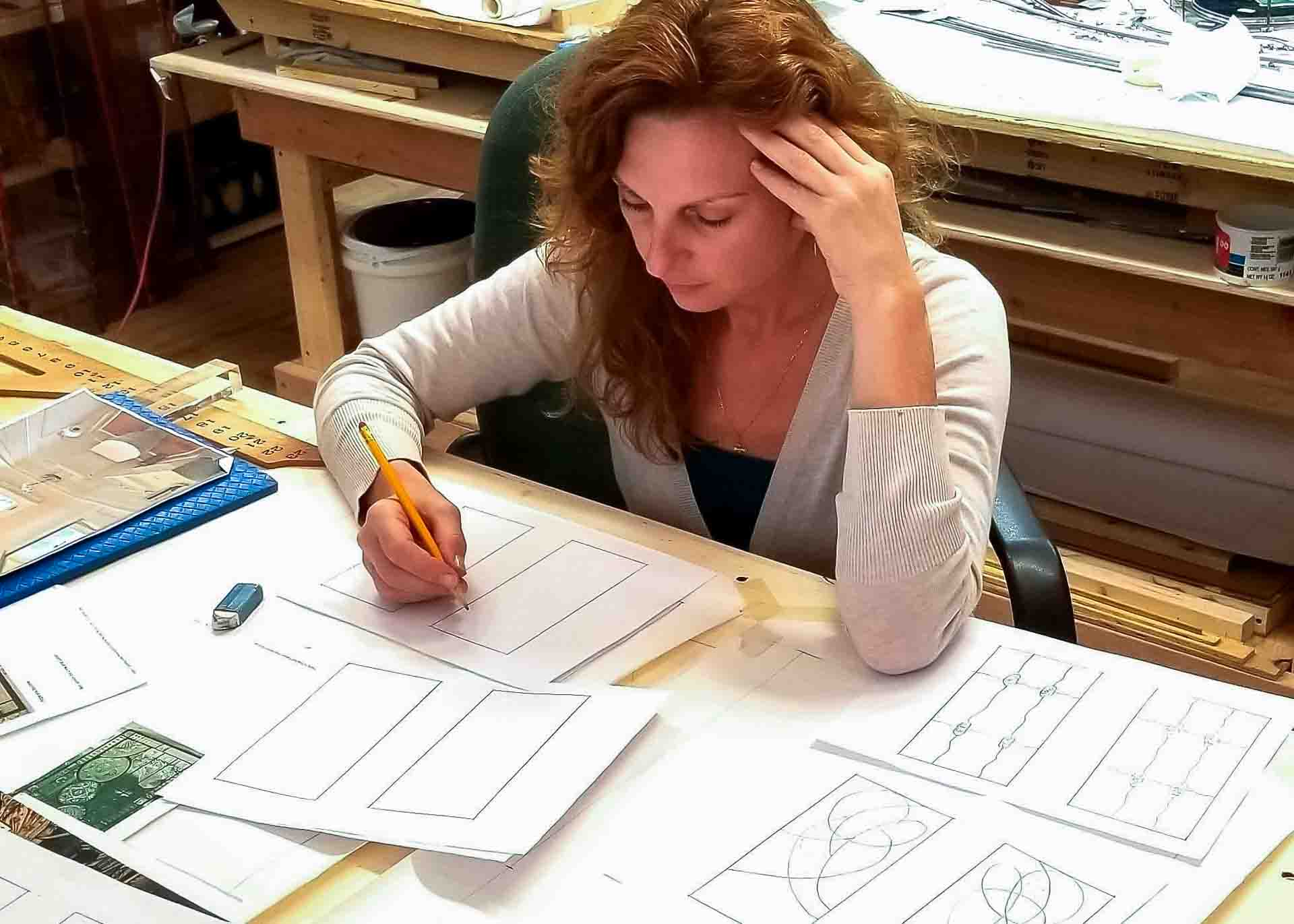
What sets us apart:
Original stained glass isn’t something you get a second chance to get right — that’s why we treat every restoration with the care it deserves.
If you’ve noticed bowing, cracks, drafts, or aging lead came on a stained glass window, don’t wait for it to get worse over the winter. Reach out today for a restoration assessment and estimate, for your home, business, or historic property.
Have questions about classes, private events, custom stained glass, repairs, or restoration? Contact Baltic Art Studio to discuss your idea, availability, and next steps.
 View Class Calendar
 Workshop Experience Pass
 (773) 526-1127
 balticartstudio.com
 balticartstudio@gmail.com
 4346 N Milwaukee Ave, Chicago, IL 60641