

Project Year: 2018
Project Type: Historic Stained Glass Conservation and Restoration
Collection: Private Collection
In 2018, Baltic Art Studio was entrusted with the conservation and restoration of a historic stained and leaded glass window from a private collection.
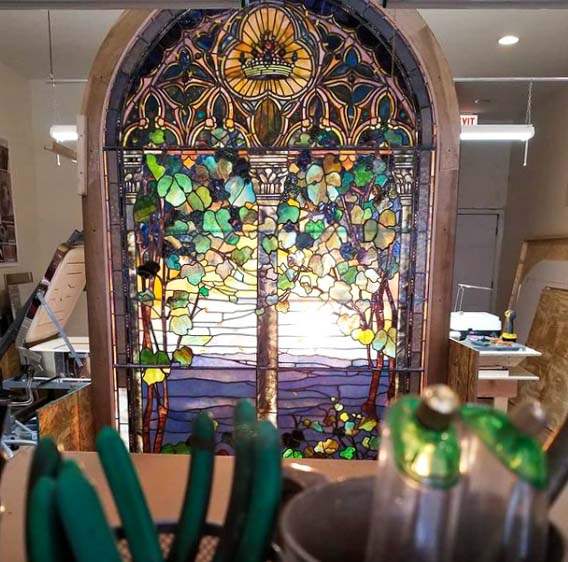
The arched window was originally commissioned in 1890 for the New Reformed Church of Greenville in Jersey City, New Jersey. It depicts three classical columns in a foliate landscape, surmounted by a radiant crown within Gothic tracery. The window includes jeweled, rippled, and opalescent glass elements.
After removal from a private residence, the window was brought to Baltic Art Studio for evaluation and treatment. Through extensive research and consultation with stained glass historians and appraisal experts, it was identified as an original work of Tiffany Studios.
[Insert Featured Image: full arched window]
Alt text: Tiffany Studios stained and leaded glass window from a private collection before restoration
Date: Circa 1890
Original Location: New Reformed Church of Greenville, Jersey City, New Jersey
Dimensions: 102 × 57 inches
The window’s layered glass, detailed tracery, and rich color effects reflect the artistic methods associated with Tiffany Studios Studios. Its historic significance required a careful conservation approach focused on preserving original material wherever possible.
Historical research and authentication consultation
Condition assessment and full documentation
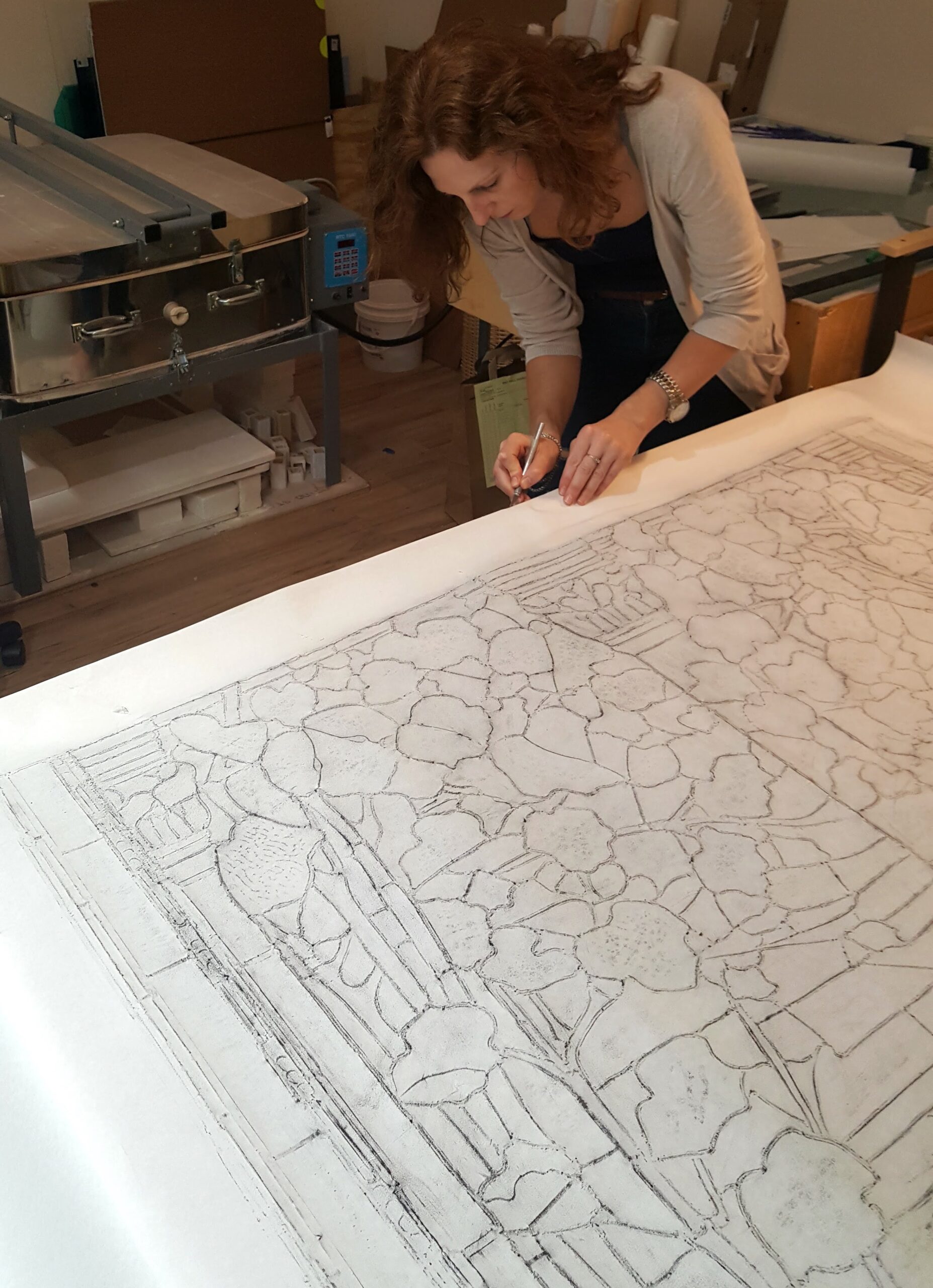
Full-size rubbings and design tracing
Careful disassembly of stained glass panels
Conservation treatment and glass stabilization
Cleaning of historic glass
Full releading and structural restoration
Restoration for a private collection
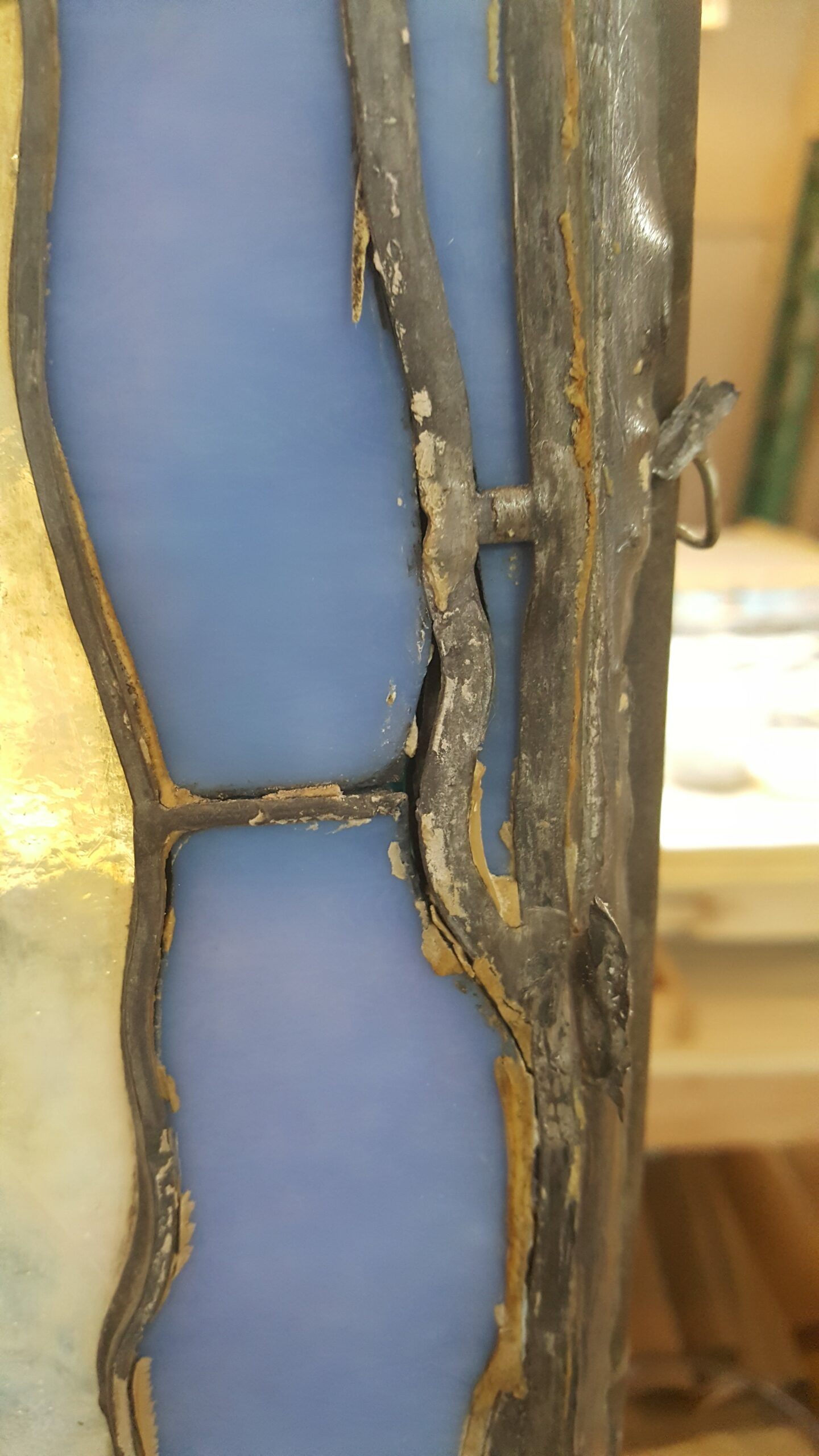
Baltic Art Studio began with a detailed condition assessment to identify structural concerns, damaged glass, previous repairs, and areas requiring treatment.
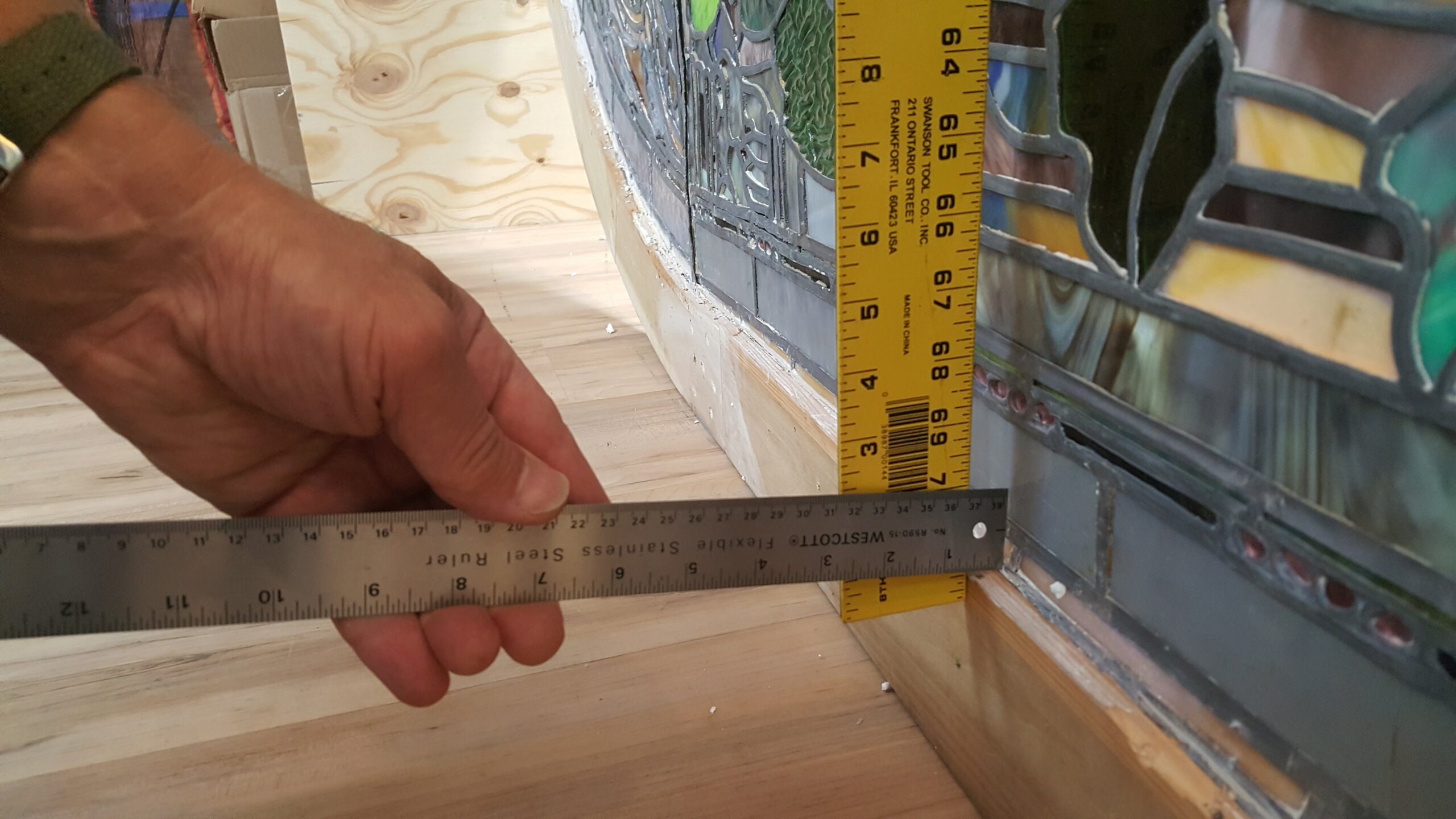
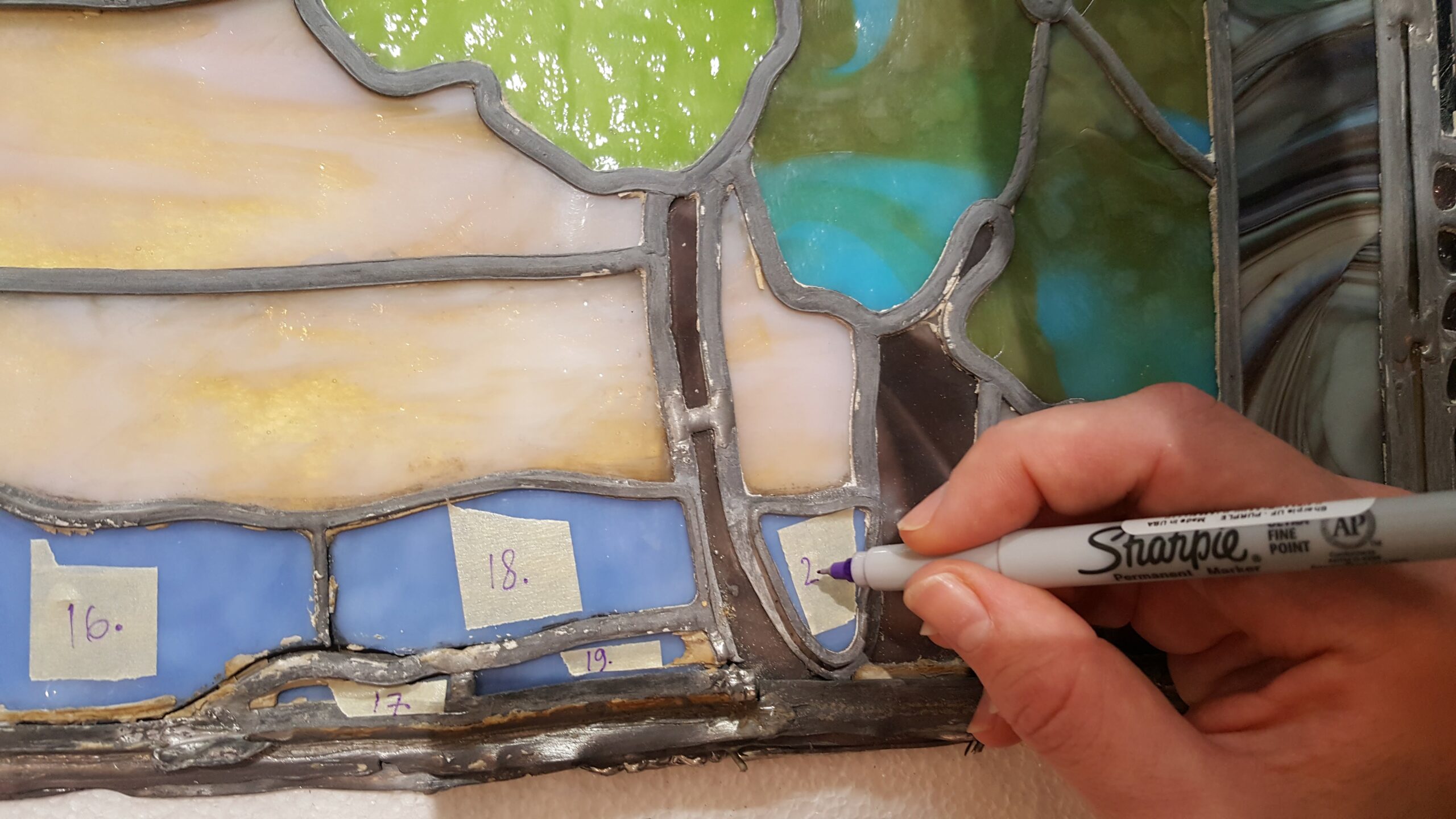
The window was photographed, measured, and documented before restoration began. Full-size rubbings and tracings recorded the original design and lead layout, creating a precise reference for the conservation work.
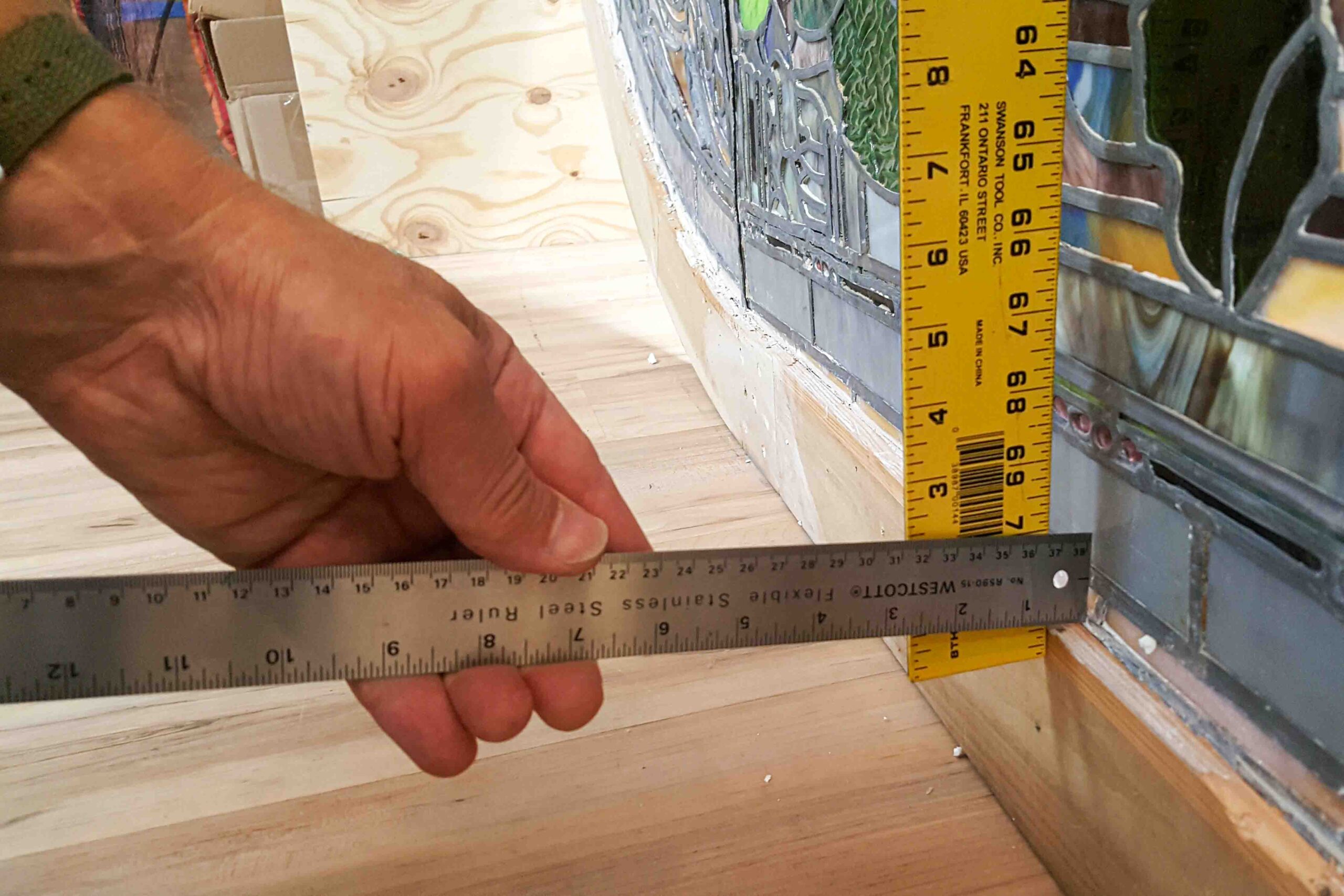
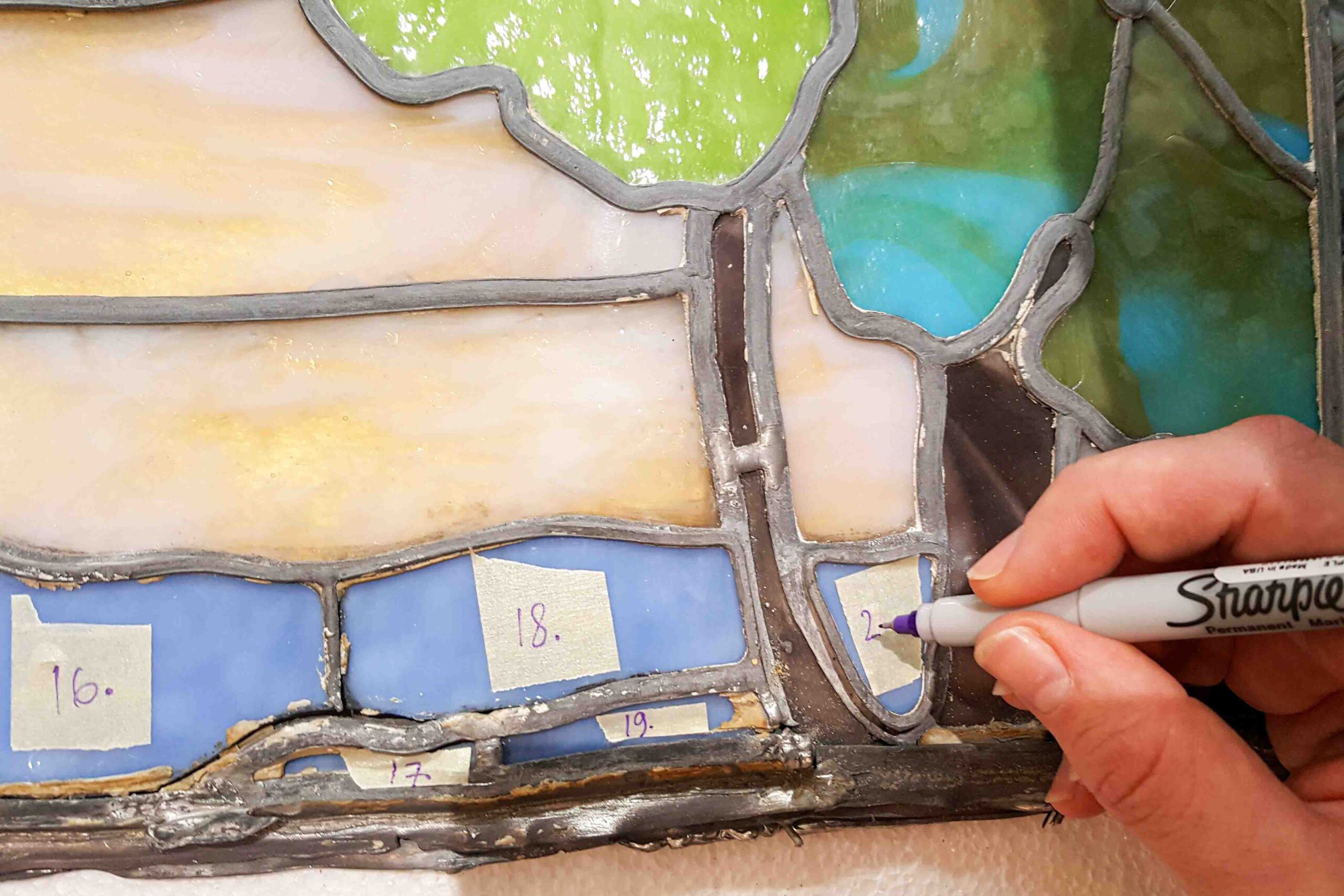
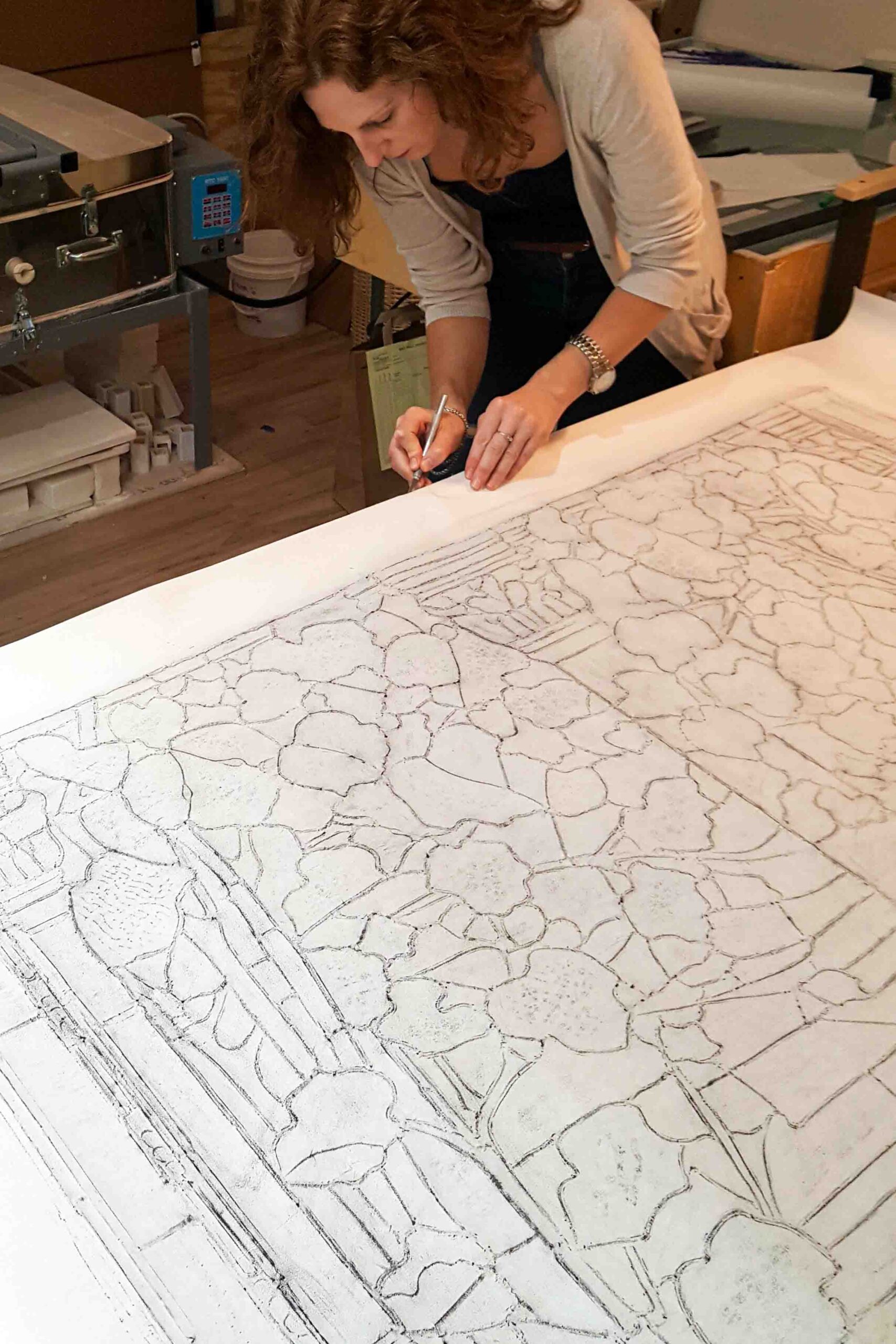
The window was carefully disassembled so each piece of glass and each section of the lead structure could be assessed individually.
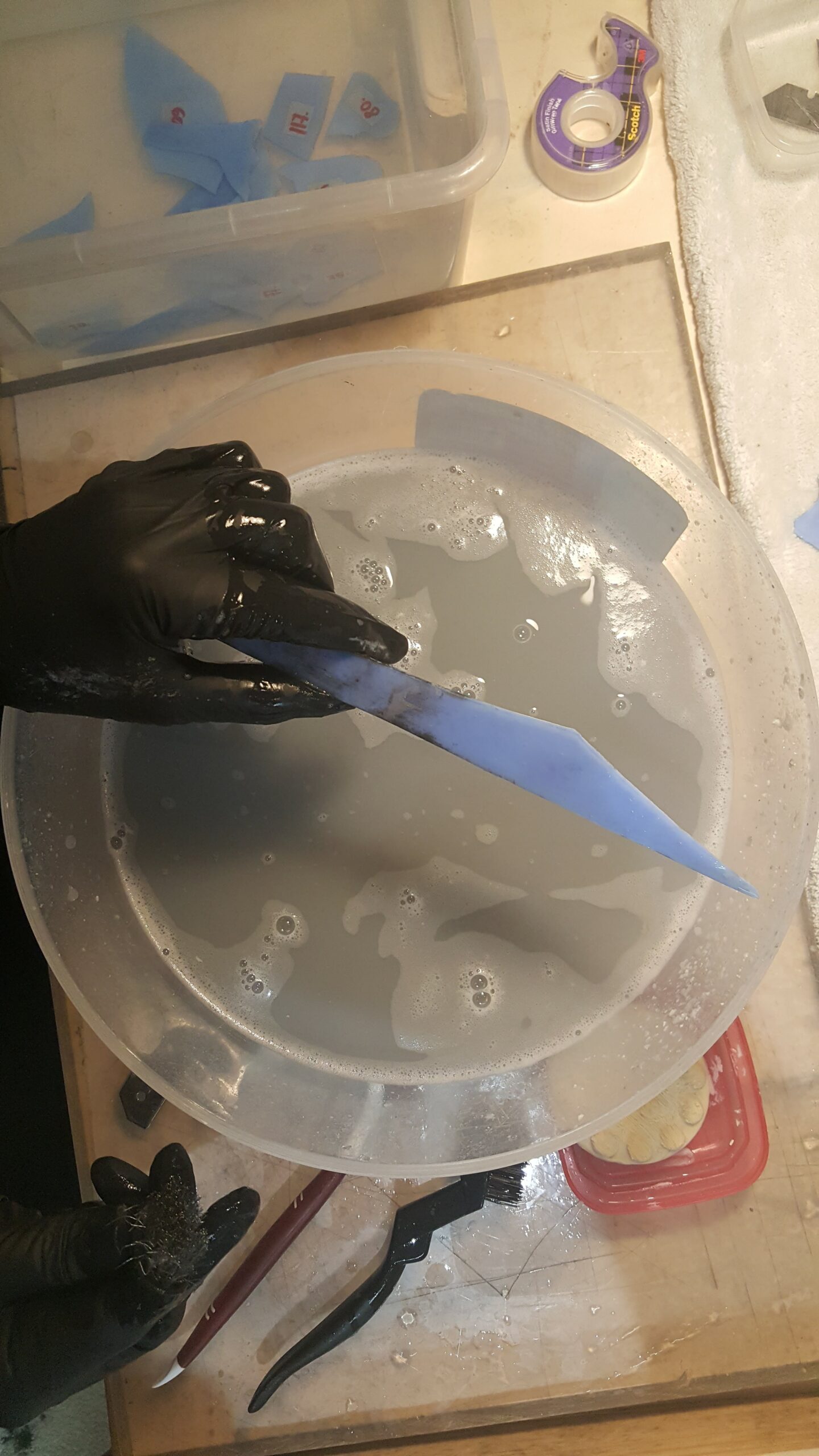
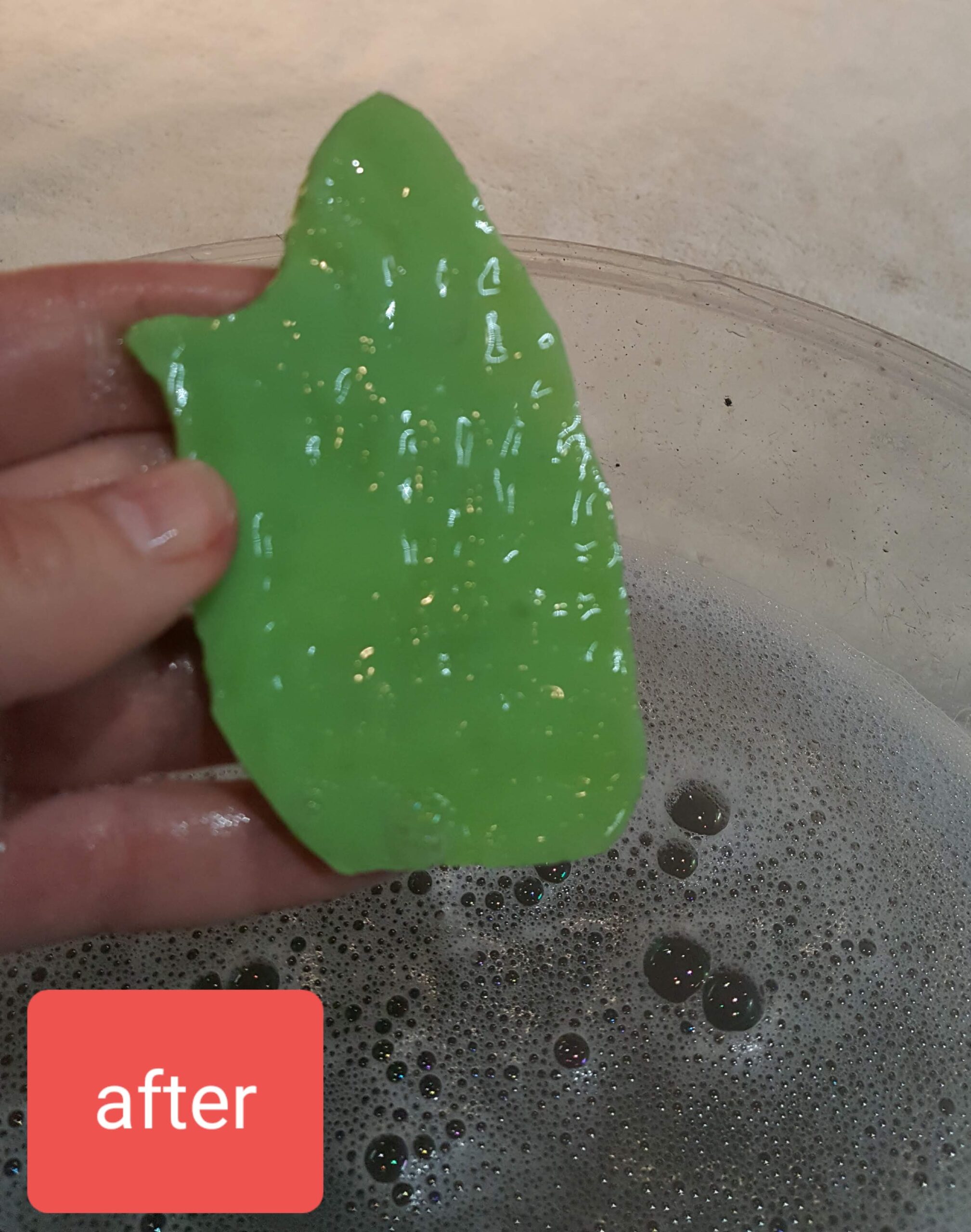
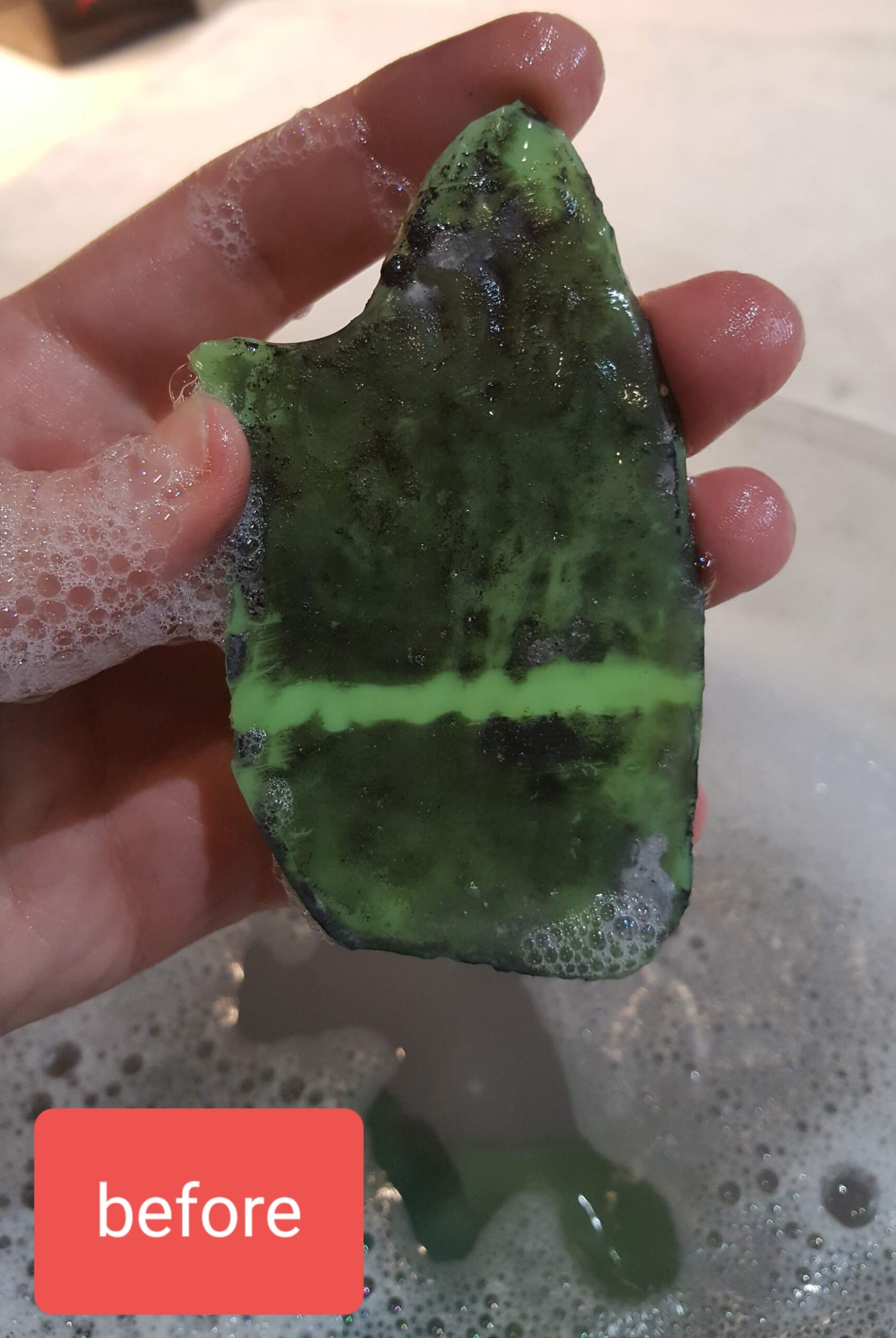
Historic glass was gently cleaned to remove dirt, old cement, and buildup while preserving the surface and character of the original material. This process revealed the color, texture, and visual depth of the Tiffany glass.
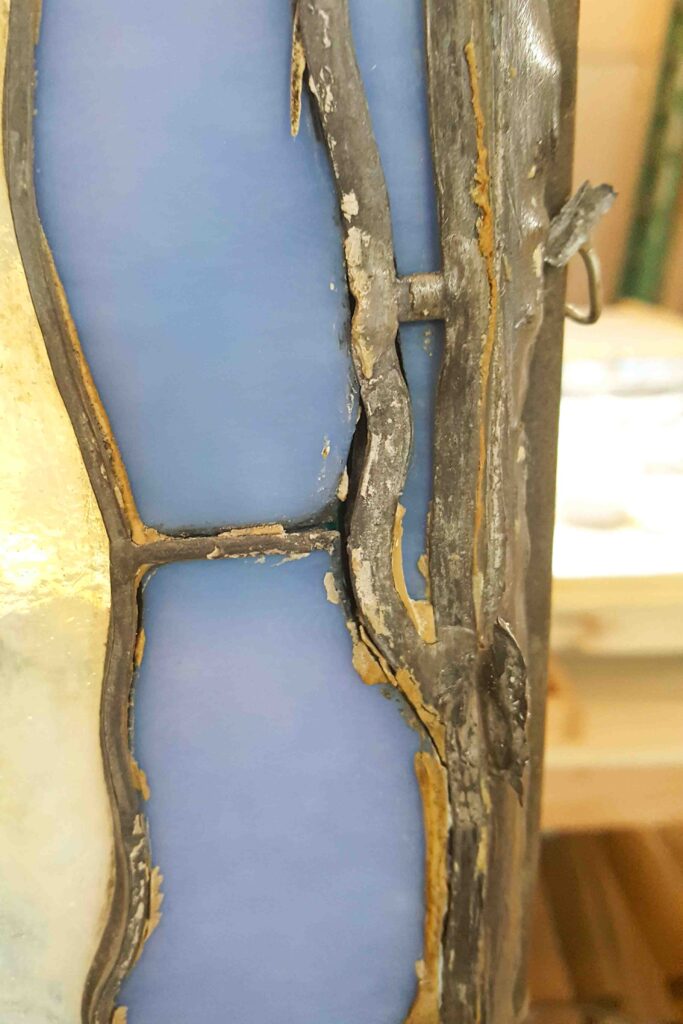
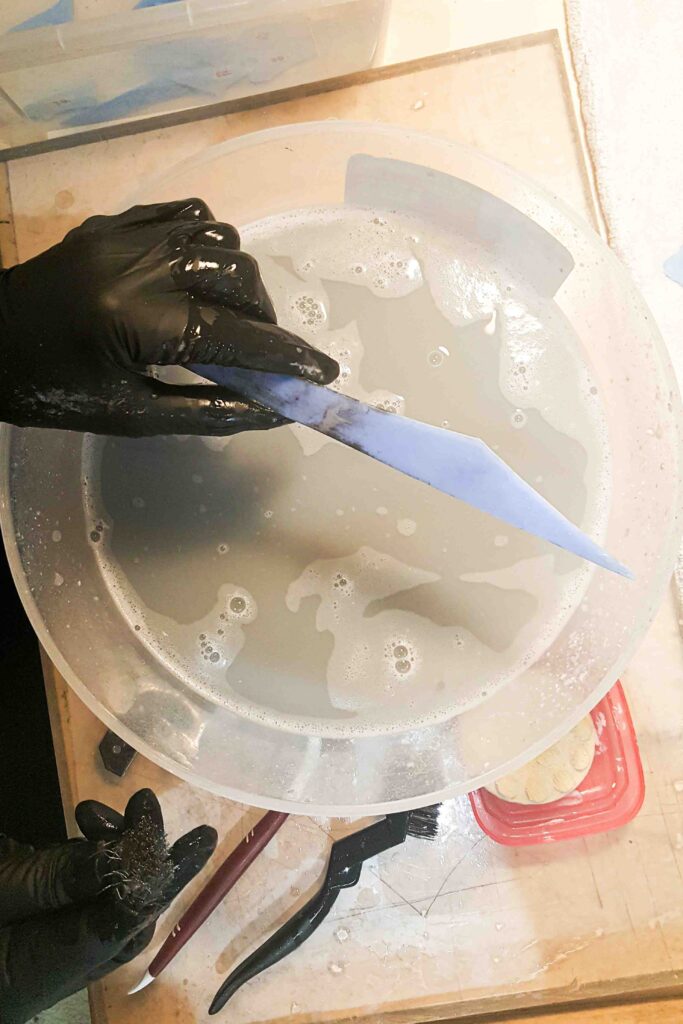
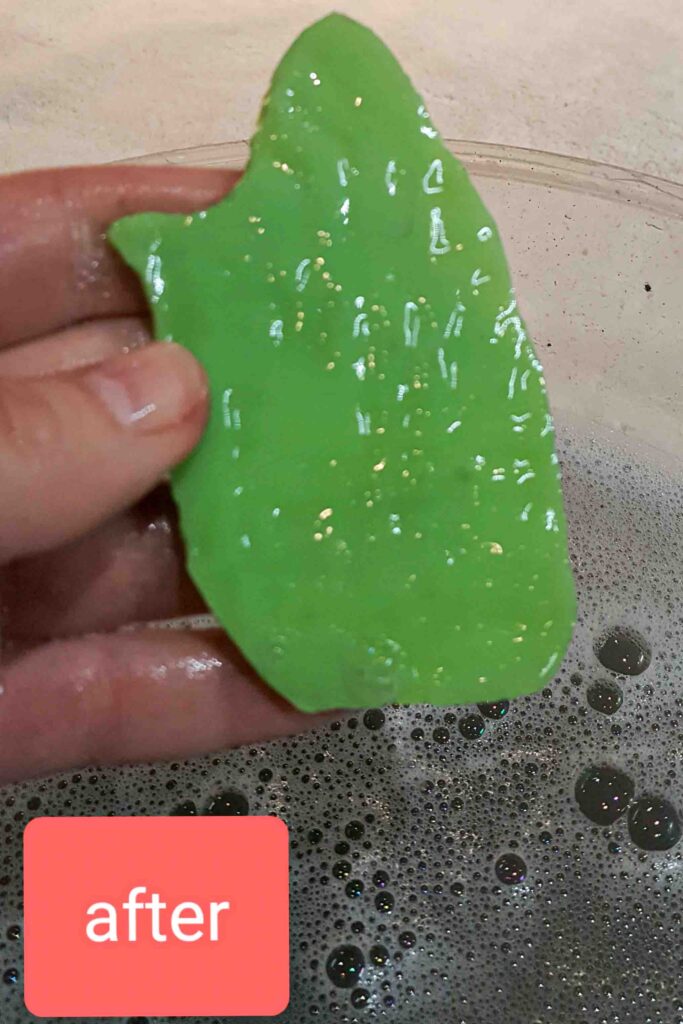
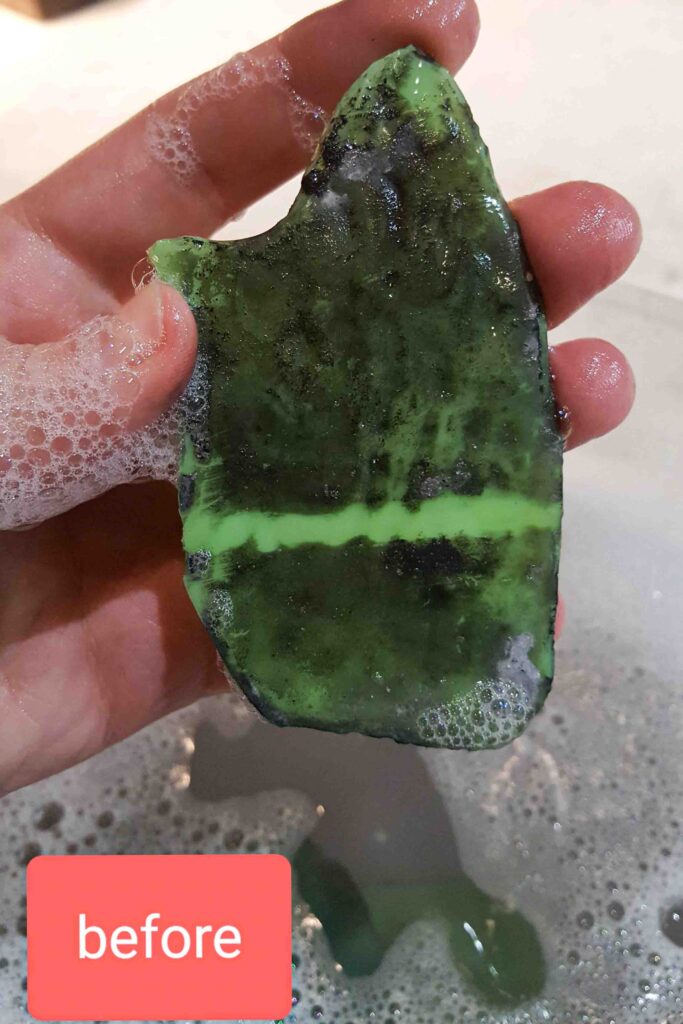
Each glass piece was examined for cracks, breaks, previous repairs, and areas of deterioration. Original glass was retained whenever possible.
Damaged pieces were stabilized with careful repairs. Where treatment was needed, the work followed the original design, color relationships, and artistic effect of the window.
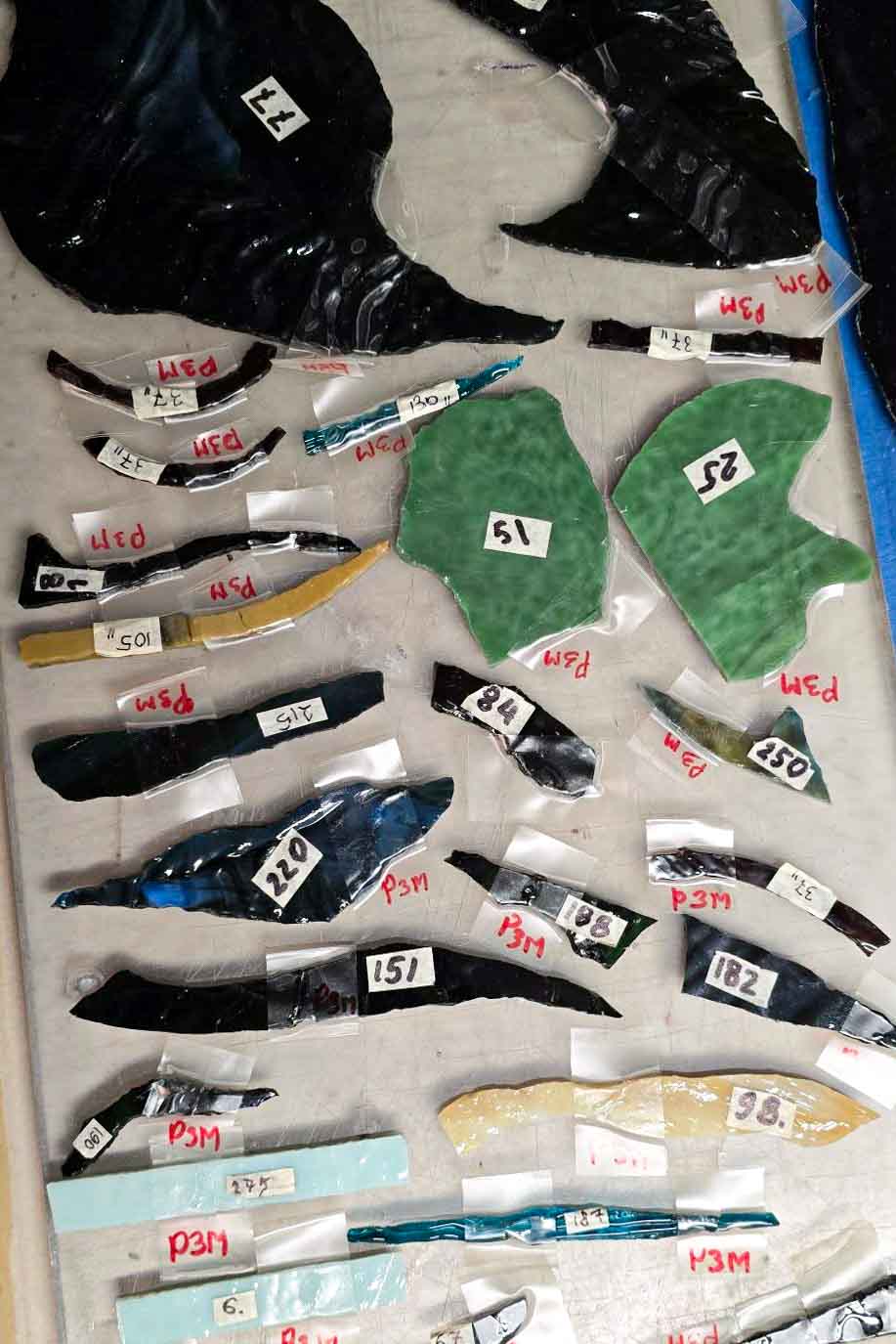
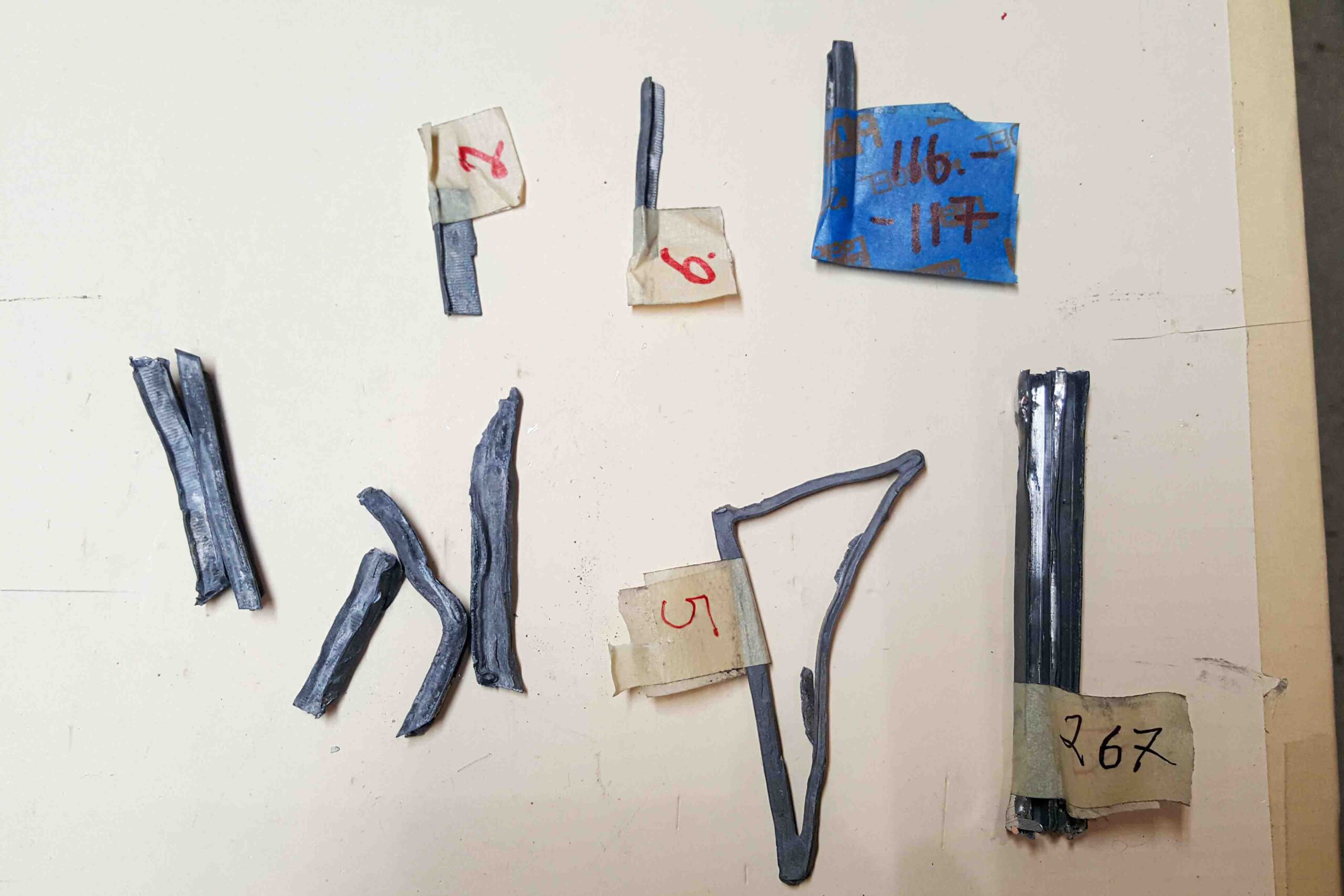
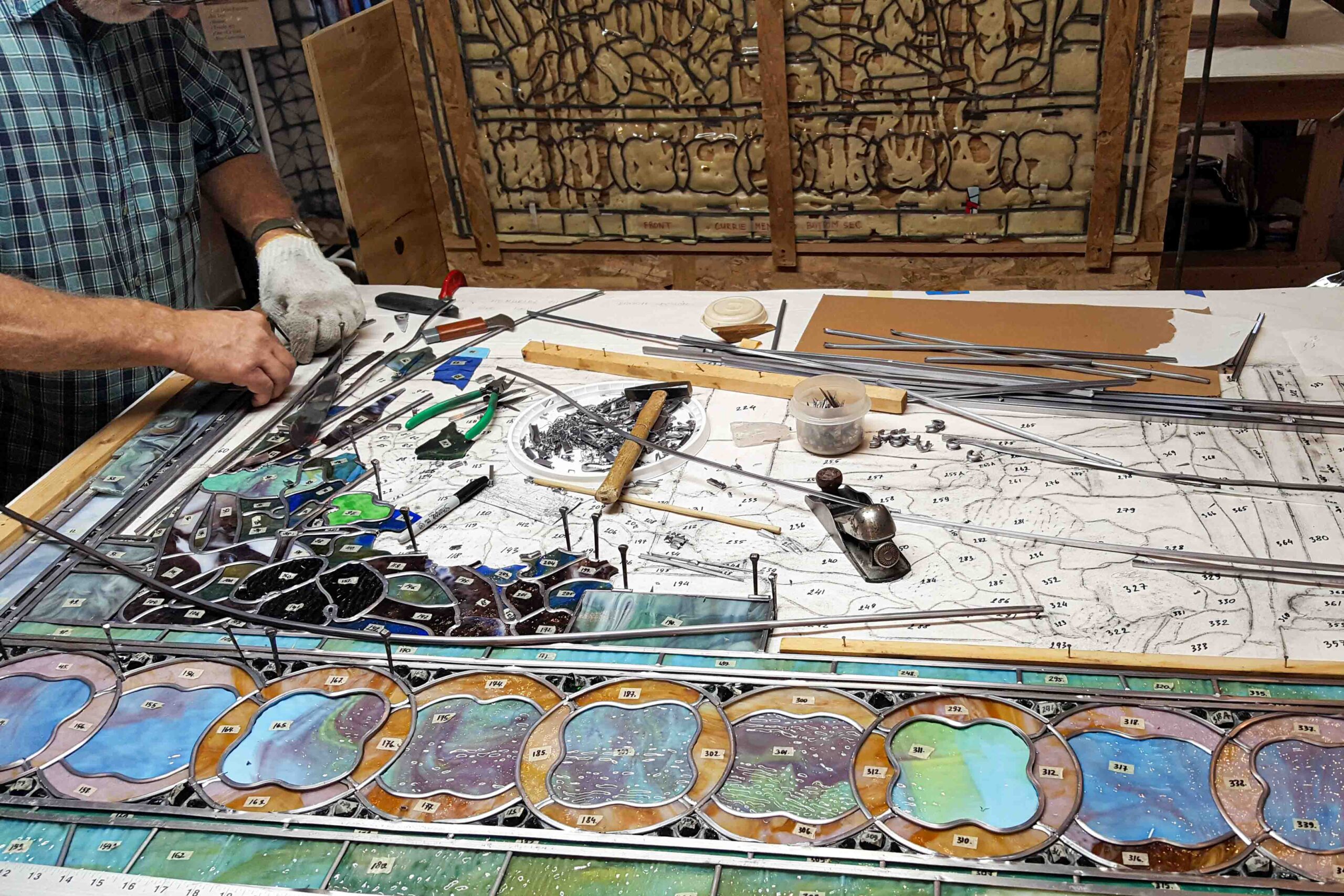
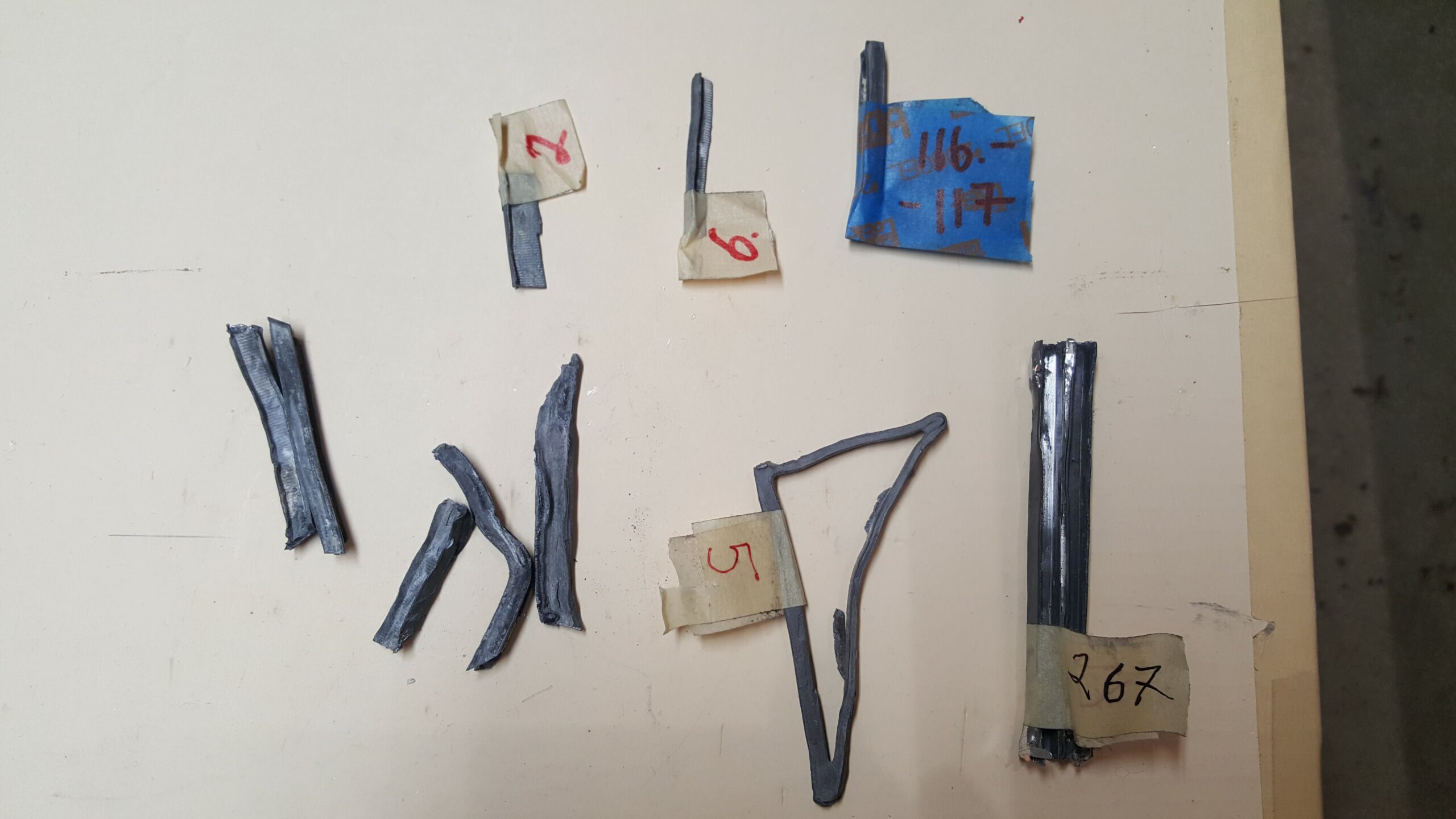
The original lead structure had reached the end of its useful life and required full releading to restore the window’s stability.
Baltic Art Studio selected and shaped new lead cames to follow the original layout. The glass was carefully reassembled, soldered, and cemented to create a stable panel while preserving the window’s original appearance.
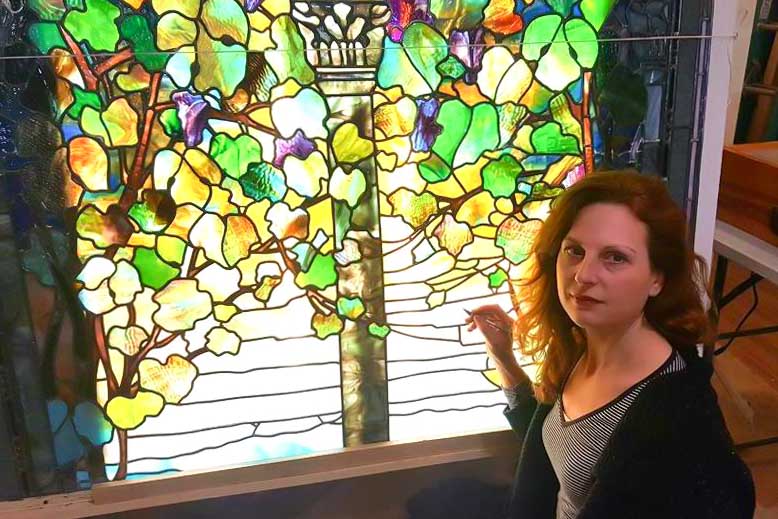
After conservation treatment and full releading, the window was returned to its original beauty and structural stability.
The restored Tiffany Studios window remains an important example of American stained glass heritage. Baltic Art Studio preserved its historic material, layered glass effects, and artistic character for its continued care within a private collection.
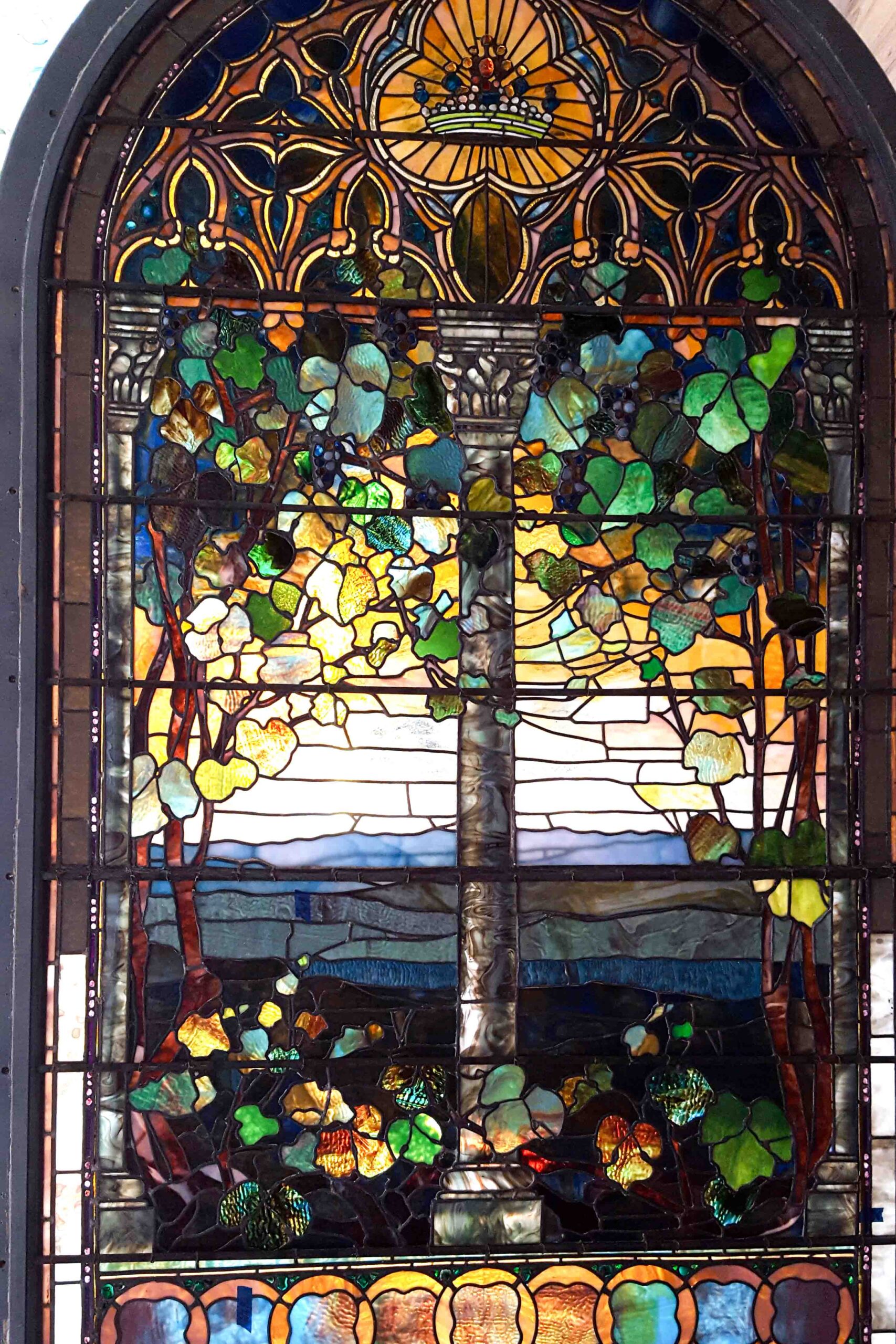
Tiffany Studios windows are known for their opalescent and multilayered glass, detailed designs, and painterly effects created through color, texture, and light.
Their restoration requires experience with historic glass, lead construction, conservation methods, and Tiffany’s distinct artistic techniques. Baltic Art Studio’s work on this project preserved an important stained glass window while respecting its original craftsmanship and history.